
The Problem
Many people want to live Eco-Friendly, but find existing tools confusing, technical, or guilt-inducing, which causes them to give up. This "Mindset Gap" exists because abstract data (like "2.3 kg CO₂") fails to motivate long-term habit change. The market lacks a single app that makes building eco-habits simple and rewarding through positive, gamified feedback.
Research & Discovery: Understanding Our Users
Market & Competitor Insights: Our analysis revealed a clear market gap. No existing app effectively combined automatic carbon tracking, fun rewards, and easy-to-read insights into a single, engaging experience. This validated our unique value proposition.
User Interviews: We conducted interviews to understand user motivations and pain points. This led to two primary personas
- Key Insight: Users don't respond to abstract data like "2.3 kg CO₂" but are motivated by relatable achievements like "You saved 1 tree". This insight became a guiding principle for the entire design.
Design & Rationale: Building an Intuitive Experience
Every design decision was made to support our goals of clarity, speed, and motivation.
- Information Architecture: We developed a sitemap to create a logical and scalable structure for the app. The architecture prioritizes key user flows like tracking progress, viewing rewards, and shopping for sustainable products.
- User Journey: We mapped the user's journey from awareness and download to their first reward and eventual habit formation. This flow helped us prioritize features that would drive engagement and retention at each stage.
- Wireframe: Based on this structure, I created low-fidelity wireframes to establish the layout and user flow for the app's main views, including rewards and settings for managing alerts
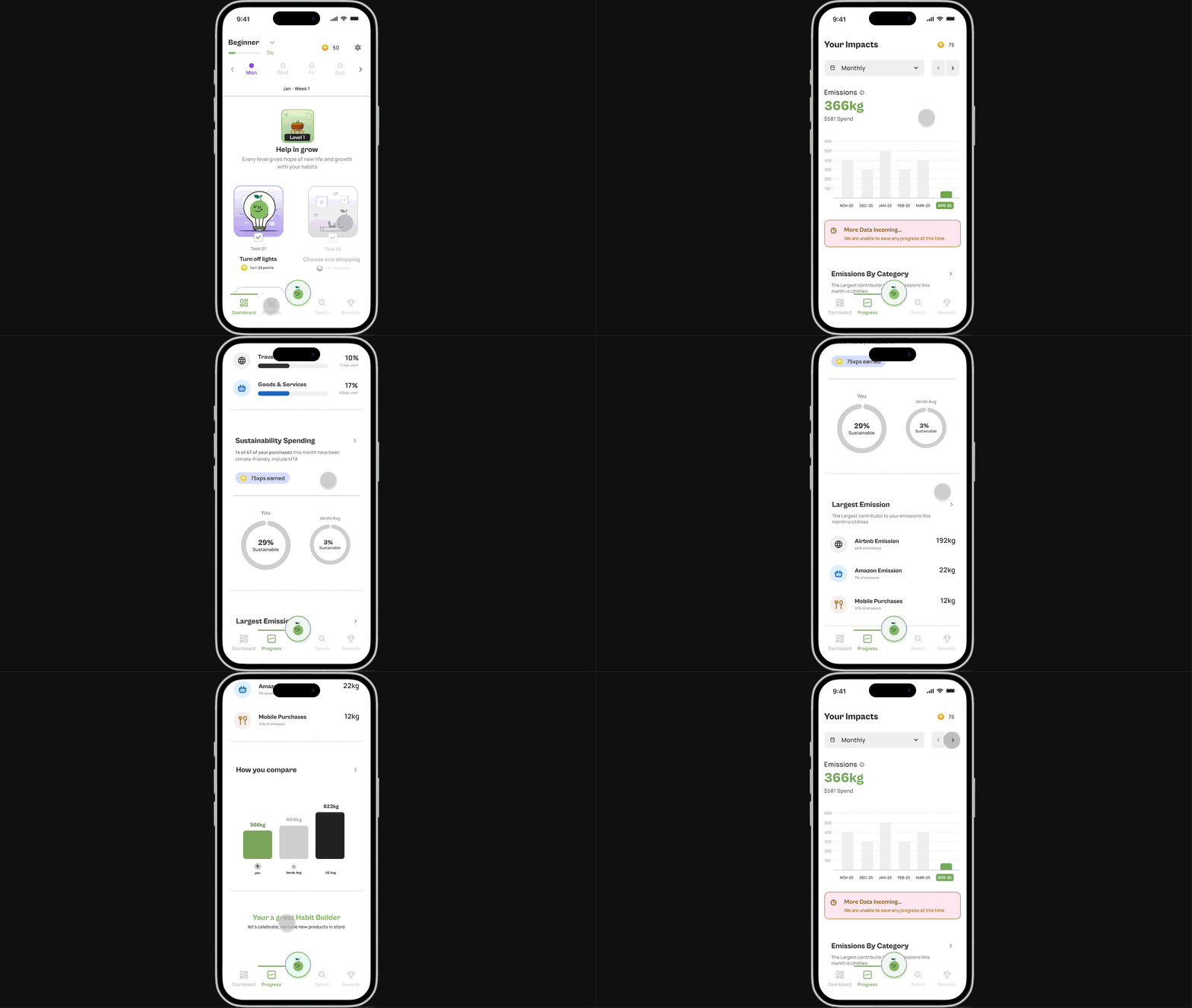
- Component-Based Design: Inspired by best practices, we designed modular components for key UI elements like forms and data visualizations. For example, the "Progress" screen uses clear data cards to break down emissions, making complex information scannable and digestible.
for design system
- Visual Design: We intentionally chose a dark theme for the app, recognizing that users are likely to engage with it in the evening with dimmed lights, making a bright theme harsh on the eyes. This user-centric choice enhances comfort and usability.
The Solution: Gamifying Sustainability
Our solution was to create a gamified ecosystem that shifts the focus from guilt to positive reinforcement. We prioritized features for the Minimum Viable Product (MVP) that would establish the core loop of tracking, action, and reward.
Key features included:
- Emotional Onboarding: Users begin by choosing and naming a plant, creating an immediate personal connection. This "self-care pet" grows as the user completes eco-friendly tasks, providing constant visual feedback and motivation.
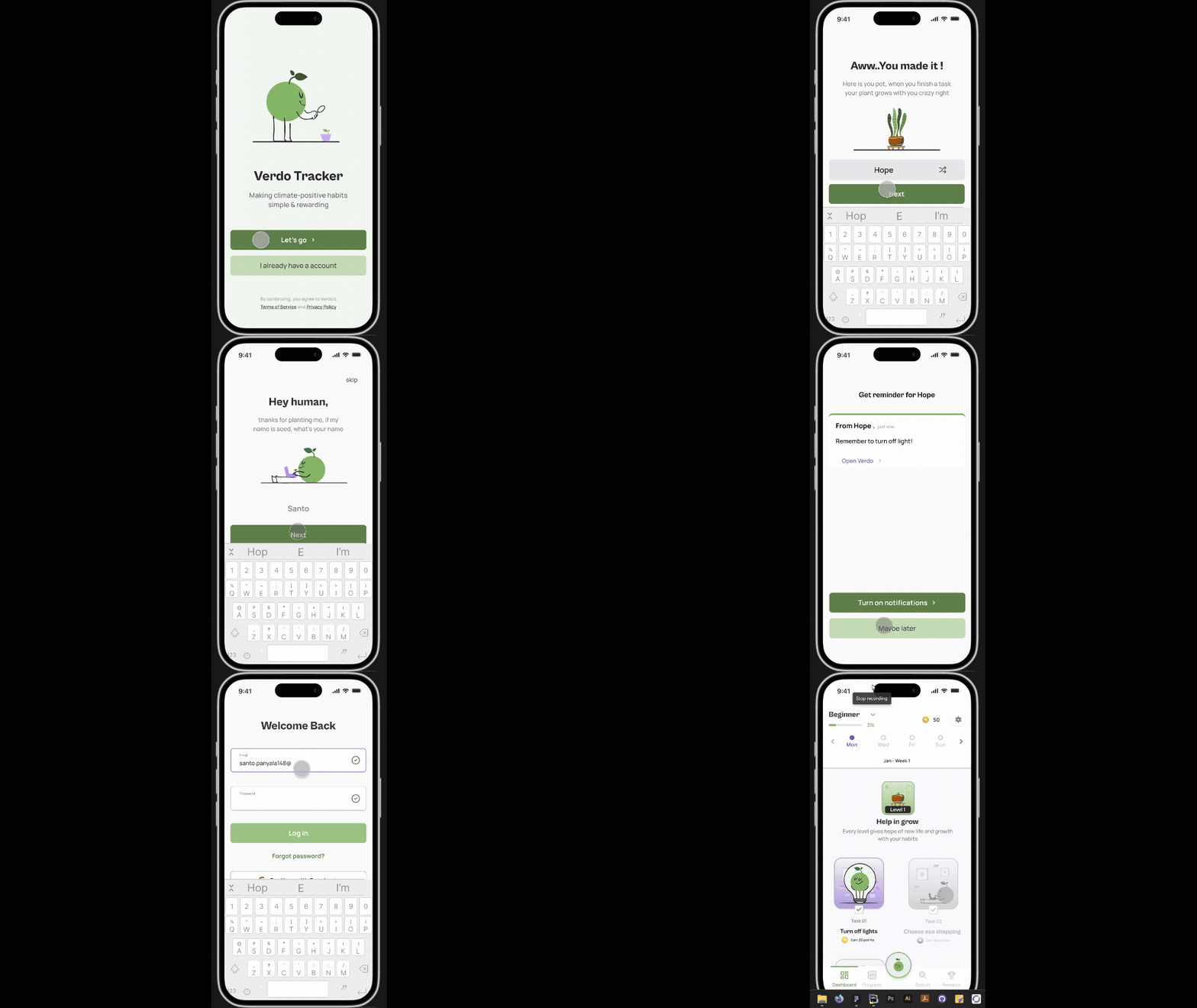
- Simplified Dashboard: The main screen displays daily tasks, earned points, and CO2 savings, making it easy for users to see their progress at a glance.
- Actionable Progress Tracking: The "Progress" screen translates complex emissions data into understandable categories (e.g., Travel, Food) and compares the user's performance against averages, empowering them with clear insights.
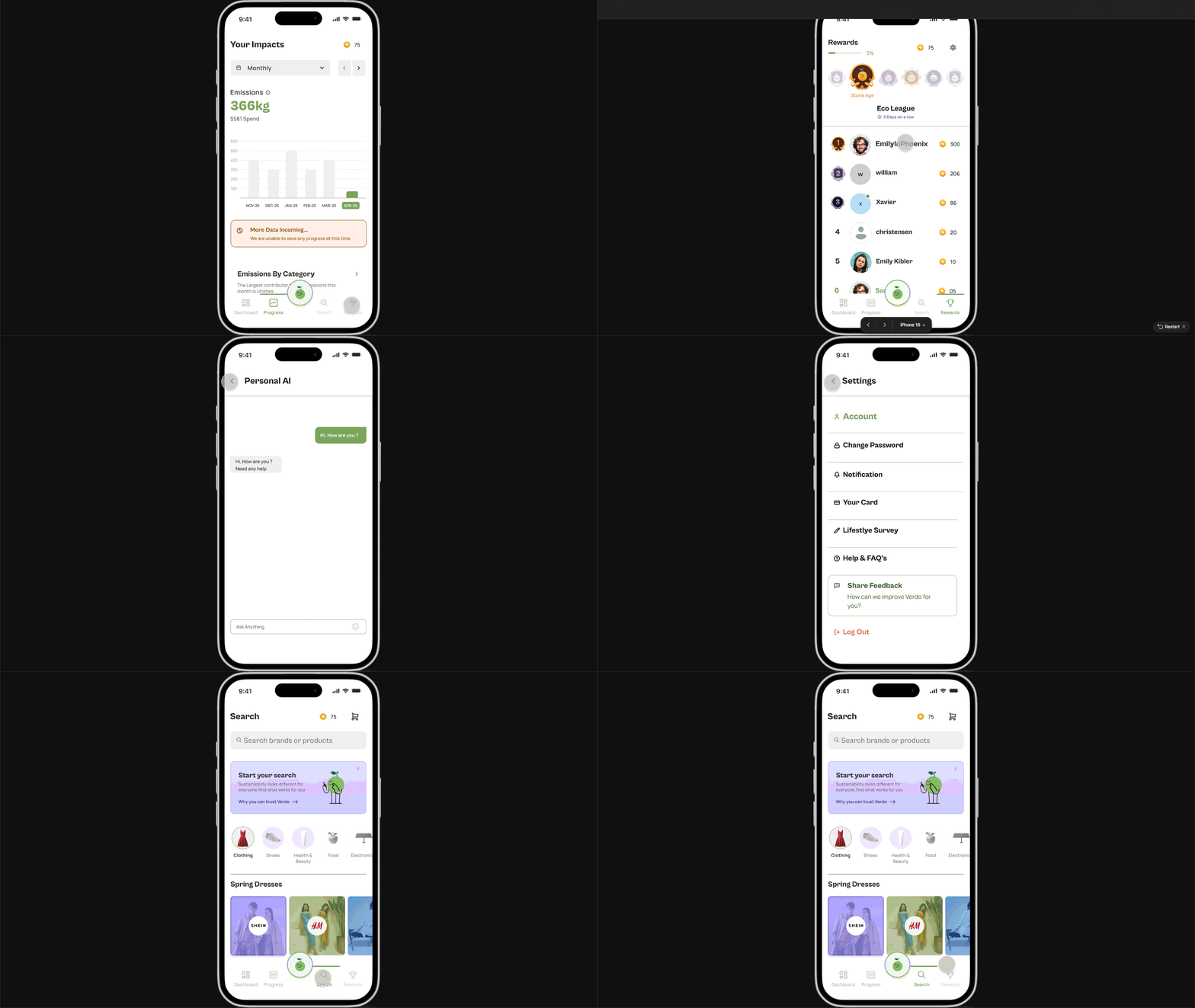
- Rewarding Gamification: An "Eco League" leaderboard, badges for achievements (e.g., "5 Days on a row"), and redeemable coins create a fun and competitive environment that encourages consistent engagement.
Try App :
Outcomes & Next Steps
The conceptual design for the Verdo App successfully addresses the core problem of making sustainability accessible and engaging. By focusing on positive reinforcement and gamification, it provides a clear path to helping users build and maintain eco-friendly habits.
- Learnings: This project reinforced that understanding user psychology is as important as the technology itself. Shifting the narrative from a negative (guilt) to a positive (reward) framework is key to driving behavioral change. Having a clear design system from the start is also crucial for maintaining consistency and efficiency.
- Next Steps: The immediate next step is to build a high-fidelity prototype and conduct formal user testing to validate our design assumptions, especially the effectiveness of the gamified rewards system. Future phases could involve integrating "Partner Businesses" to offer tangible, real-world rewards and discounts, further strengthening the app's value proposition.